Supported driver boards
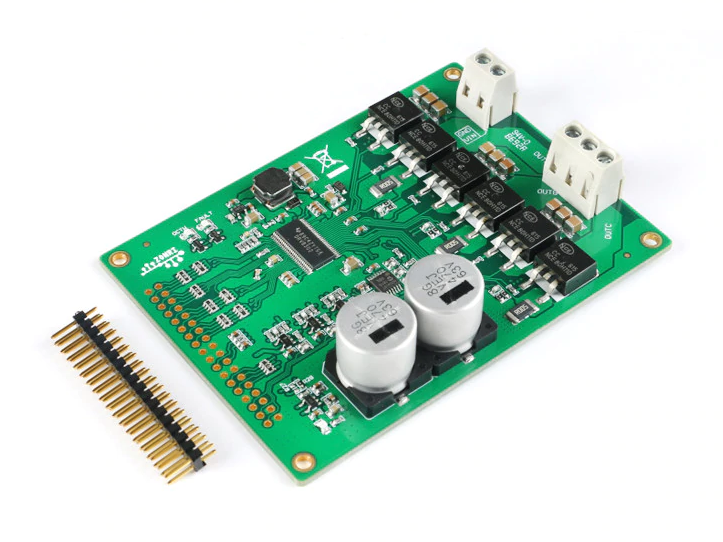
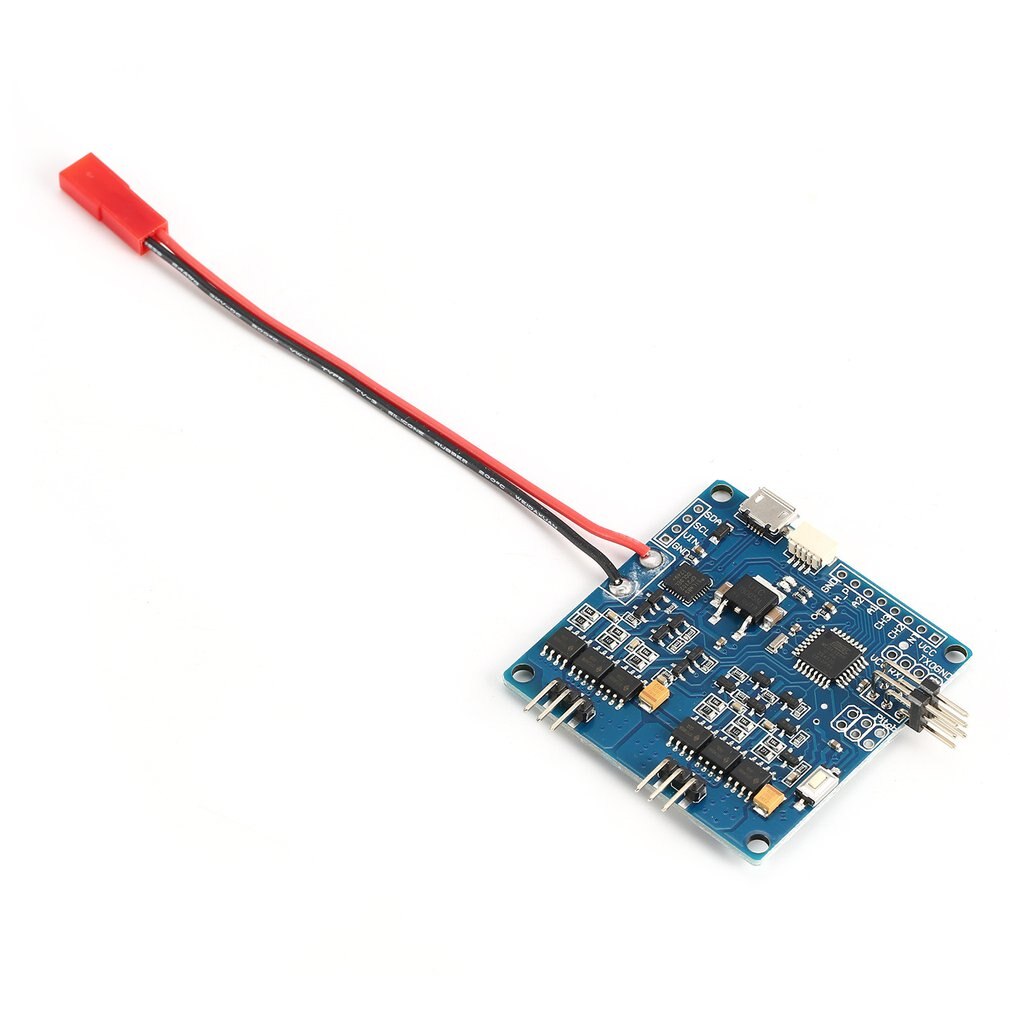
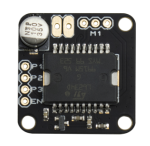
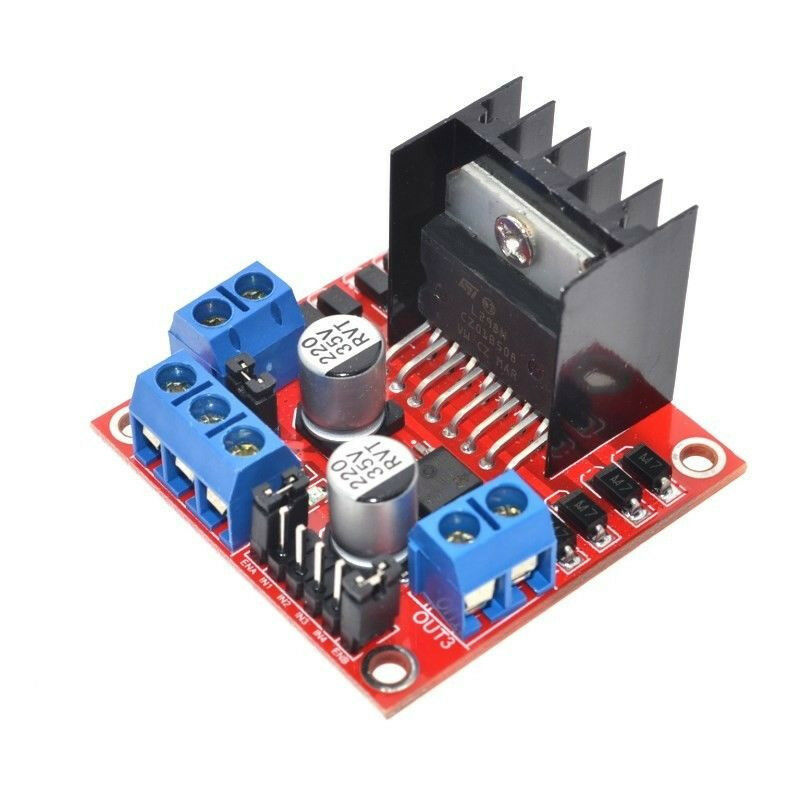
Arduino SimpleFOClibrary has a goal to support as many BLDC and stepper motor drivers as possible. Till this moment there are two kinds of motor drivers supported by this library:
- BLDC motor driver
- 3 PWM signals ( 3 phase )
- 6 PWM signals ( 3 phase )
- gimbal motor drivers or high-performance boards
- Stepper drivers
- 4 PWM signals ( 2 phase )
- 2 PWM signals + 2 direction signals ( 2 phase )
- Stepper drivers or double DC motor drivers
Choosing the Appropriate Driver
Selecting the right hardware is a balance of motor type, power requirements, and the level of control precision you need.
1. Motor Type
- BLDC Motors: Requires a BLDC driver. Ensure the current and voltage ratings match your motor’s specs.
-
⚠️ No Drone ESCs Traditional drone ESCs are not suitable for FOC because they typically use a fixed commutation scheme and lack the necessary control interfaces.
-
- Stepper Motors:
- Dedicated Stepper Driver: Best for 2-phase motors within standard current ranges (ex.NEMA17)
- Hybrid Mode: You can actually use any BLDC driver to run a stepper motor. - See example
-
⚠️ No Step/Dir Drivers Traditional “EasyDrivers” or A4988s (in step/dir mode) cannot be used for FOC because they do not allow direct phase voltage control.
2. Current Requirements
- Low Current (< 5A): Integrated driver ICs are cost-effective and easy to use.
- Examples: L6234, DRV8313, DRV8316.
- High Current (> 5A): Requires discrete MOSFET-based designs with robust thermal management (heatsinks/fans).
- Examples: DRV8302, VESC-based hardware.
- Rule of Thumb: Always select a driver with a current rating at least 20-30% higher than your motor’s expected continuous current.
📢 Critical: Read before powering up!
Before running any motor, you must ensure your hardware can handle the stall current. FOC can easily pull more current than a driver can handle if not limited in software.
The Worst-Case Calculation Check your motor’s phase resistance (\(R\)) and your power supply voltage (\(V_{DC}\)). The maximum possible current (\(I_{max}\)) is:
\[I_{max} = \frac{V_{DC}}{R}\]Safety Steps:
- Compare: If \(I_{max}\) exceeds your driver’s rating, you must limit the voltage in software.
- Software Limit: Use
driver.voltage_limitand (motor.voltage_limitand/ormotor.current_limit) to stay within safe bounds. - see motor docs - Power Supply: If you can, use a current-limited lab bench power supply for your initial tests.